

We attended SPIE DSS 2015 Defense, Security and Sensing conference in Baltimore, MD. Joyce Fang presented her poster Automated Optical System Alignment and Low Order Wavefront Sensing in the poster session.
SGRS 2015 Poster Session
The Sibley Graduate Research Symposium (SGRS) and prospective graduate student visit weekend were held March 6th-7th. Daniel Garrett represented SIOSlab at the poster session with his poster titled: WFIRST-AFTA Exoplanet Imaging Mission Simulation.
AAS 225
We attended the 225th American Astronomical Society meeting in Seattle, WA. Amongst lots of exciting new results and interesting presentations, there was a GPI press release about our first year on sky and the beginning of the campaign, as well as two presentations from SIOSlab: a talk about WFIRST mission modeling and a poster on RV followup imaging by Aastha Acharya.
GPIES Begins
November 7th-12th was the first observing run of the Gemini Planet Imager Exoplanet Survey (GPIES). This is an 890 hour campaign to discover and directly image new, young, giant planets around nearby stars using the GPI instrument. This run also fell on the one year anniversary of GPI’s first light at the Gemini South observatory. The data we collected over the last week mark the start of a three year campaign, which should produce dozens of new discoveries and will help advance our understanding of planetary formation and evolution. Many thanks to the rest of the GPIES team and the crew at Gemini South for an incredible week.
99 Minutes of GPIES (including moonrise)
99 Minutes of GPIES
Aspect Ratio of the Ellipses
The relationship between the aspect ratio and tip-tilt parameters. A third order 2D-polynomial is used to fit the surface.


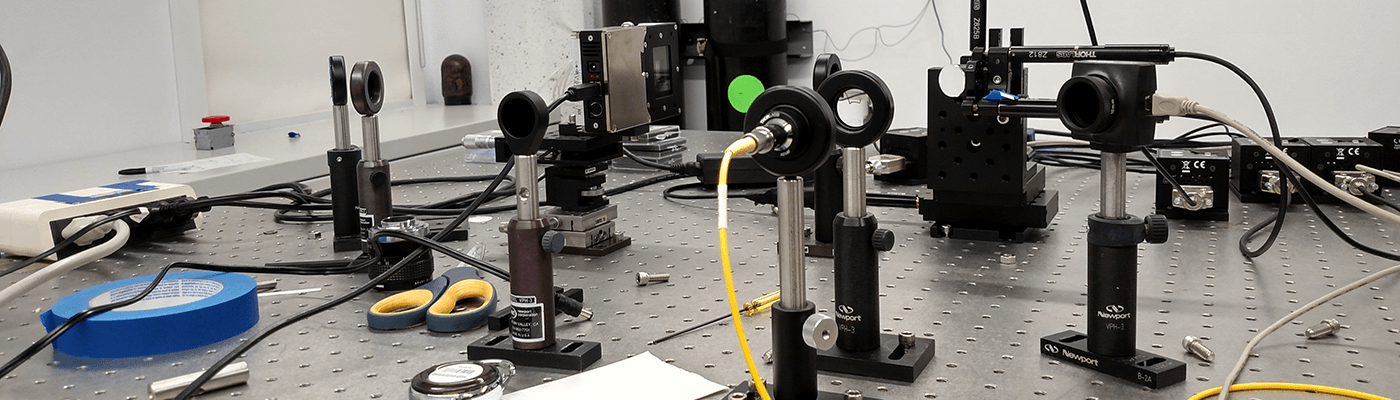
Automated Alignment of Optical System
A schematic shows how our automated alignment system works:
 (click to see better image)
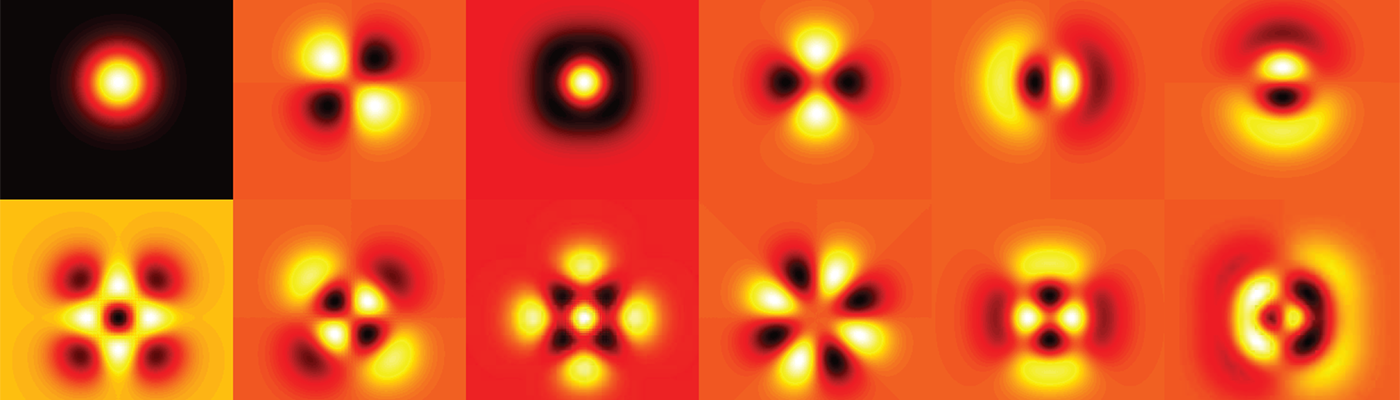
The image in our simulation shows a deformed ellipse. We use Gaussian ellipse fitting method to extract useful information from the image, then use them in our feedback control system.
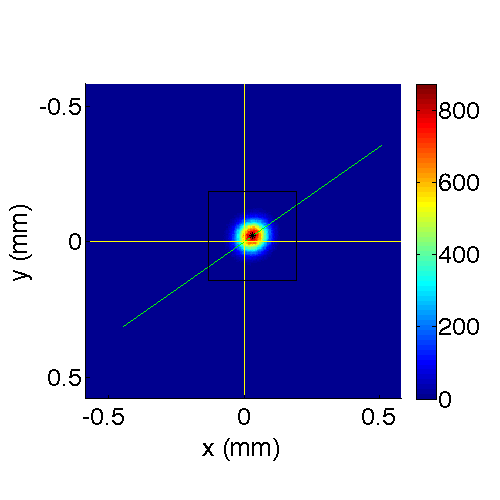

A video shows the misalignment calibration in experiment (correcting the shift of lens):
Video: Misalignment Calibration
GPI Data Reduction Pipeline v1.0 Released
The GPI Data Reduction team has just released version 1.0 of the the Gemini Planet Imager Data Pipeline, which allows transformation of raw data from GPI into calibrated spectral and polarimetric data cubes and provides a variety of routines for working with these data. For documentation and download information see:
http://docs.planetimager.org/pipeline/
Support is provided via the Gemini Data Reduction User Forum:
Happy post-processing!
Hello world!
The Space Imaging and Optical Systems lab has been established as part of the Sibley School of Mechanical and Aerospace Engineering at Cornell University. Please check back soon for news and updates on our work.
GPI First Light Results Announced
The first light results from the November and December runs of the Gemini Planet Imager were announced at the 223rd meeting of the American Astronomical Society in Washington D.C. The community and public response has been incredible – see the GPI site for a list of press releases. We’ve already started planning for the next run, and the full survey, coming later this year.